
Nov 2, 2025Luke
Caret Meetup #2: Talks and Videos
Recap of Caret’s second meetup with five talks, videos, and lessons learned.
Caret held its second meetup and shared five talks. We aim for AI as a coding partner, not just a tool. Below are the overview video and session details.
Overview video:
Open-source Caret & Semantic Merging
- Speaker: Byungseok Yang (CTO)
- Story: Forking cline (VSCode extension) while surviving merge hell.
- Lessons:
- Started with a 100% compatible fork.
- First big merge failed—
.clinebackups confused AI between Caret and cline code. - Adopted Minimal Invasion: avoid touching upstream files; use wrappers to cut merge cost.
- Authored detailed Caret Rules so AI understands architecture/locations/conventions.
- Realistic AI collaboration: AI forgets context; developers must monitor and intervene.
- Vision: humans set strategy and verify; AI handles heavy implementation while keeping up with upstream.
Session video:
Persona Image Generation with Nanobanana
- Speaker: Ki-Hwan Kim (CEO)
- Goal: Let users create custom AI avatars.
- Path: Built from PRD with AI tools; initial attempts failed (only sample images).
Found a working OSS project (nanobanana-ads), showed the code to the agent, and succeeded immediately. - Lesson: Concrete, working examples boost AI implementation accuracy far more than abstract requirements.
Session video:
Integrating Caret with LiteLLM
- Speaker: Donghak Kim (Contributor)
- Problem: Many LLMs with different APIs; hard to switch models and manage costs.
- Solution: Chose OSS LiteLLM (“LLM ORM”) to normalize 100+ models to OpenAI format.
- Features: auto-failover (GPT-4 → Claude), load balancing, real-time cost tracking.
- Frank take: UI/UX is rough but speed to customers mattered.
- Caret’s build: “Caret Router” + social login + gRPC backbone. New users get $10 credits to try models.
Session video:
Semantic Coding Model for TypeScript
- Speaker: Seungwan Oh (PhD candidate, Chonnam Univ.)
- Problem: Code LLMs trained on static text don’t truly grasp execution flow/semantics.
- Approach (“SemCode”): include execution traces, constraints, debugging cases alongside code.
- Shift: OSS-Instruct TS data quality was low; switched to vetted sources (e.g., LeetCode) to raise valid data yield.
Session video:
AI Coding Assistant Codebase Strategy
- Speaker: Jaehoon Choi (Samsung)
- Framing: Two metaphors—Developer (analyze AST live; accurate, local, private) vs Librarian (pre-index with embeddings/RAG; fast concept search).
- Goal: Caret’s hybrid—add Cursor-like flexible search to cline-like precision. Handle both tight refactors and broad exploratory questions.
Session video:
Caret is an open-source Korean Vibe Coding tool, running regular meetups with contributors. We welcome anyone interested in AI-based development to join and build together.***
More posts
NextDec 17, 2025
Beyond Vibe Coding and More: Why AI Should Be a Partner, Not a Companion (ft. Caretive)In the AI-agent era, we believe what developers and enterprises need is not a comforting companion, but an equal partner that helps teams achieve outcomes. Here’s how we think about Caret and Caretive.
NextDec 13, 2025
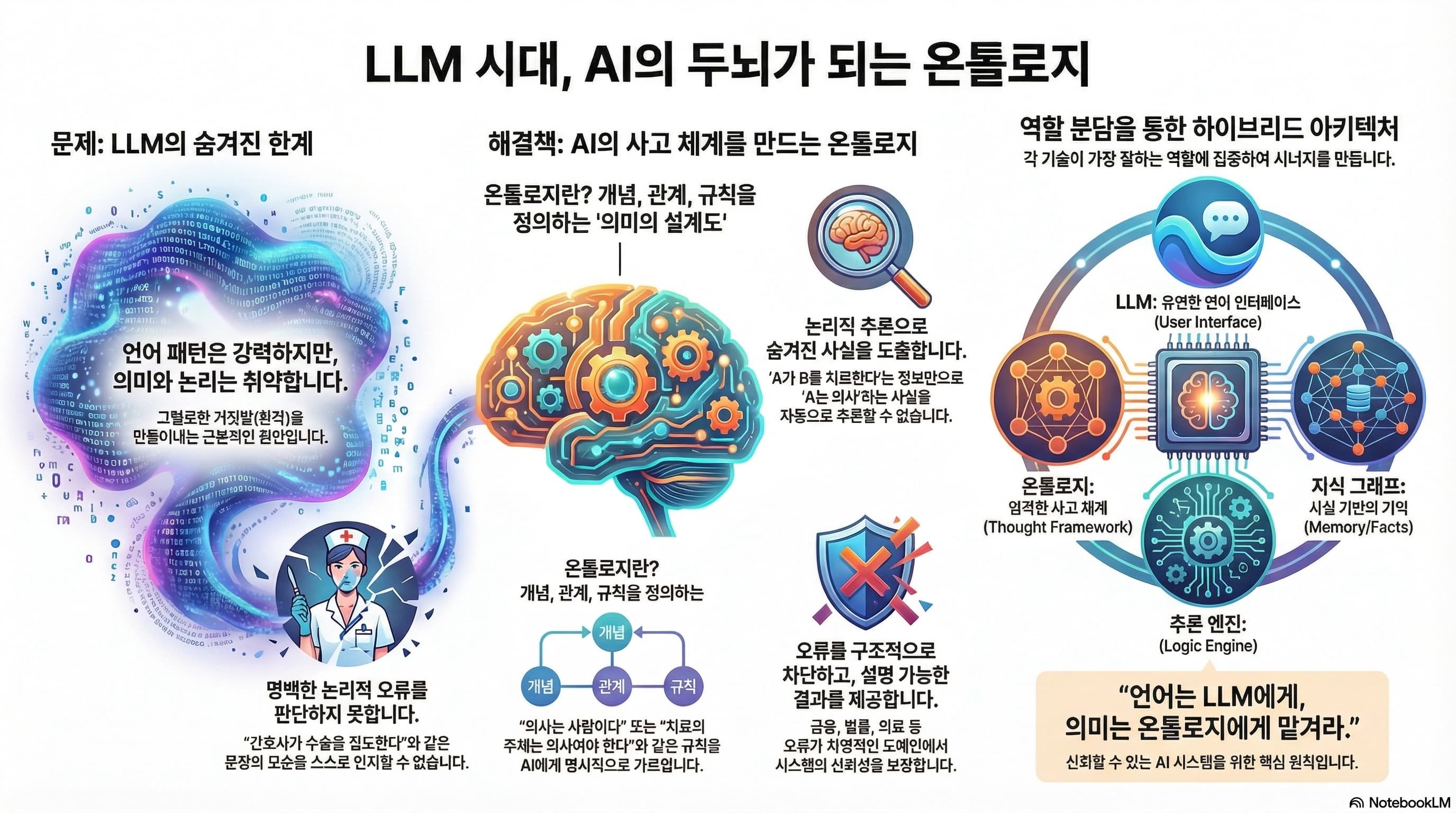
Why Ontology Matters Again in the Era of LLMs— Graph RAG, Knowledge Graphs, and Semantics-Based AI Architecture